
Schaefer leads store development at one of the fastest-growing retail operations in North America — the operator who spent a year putting AI to work inside his own team and wrote down everything he learned along the way.

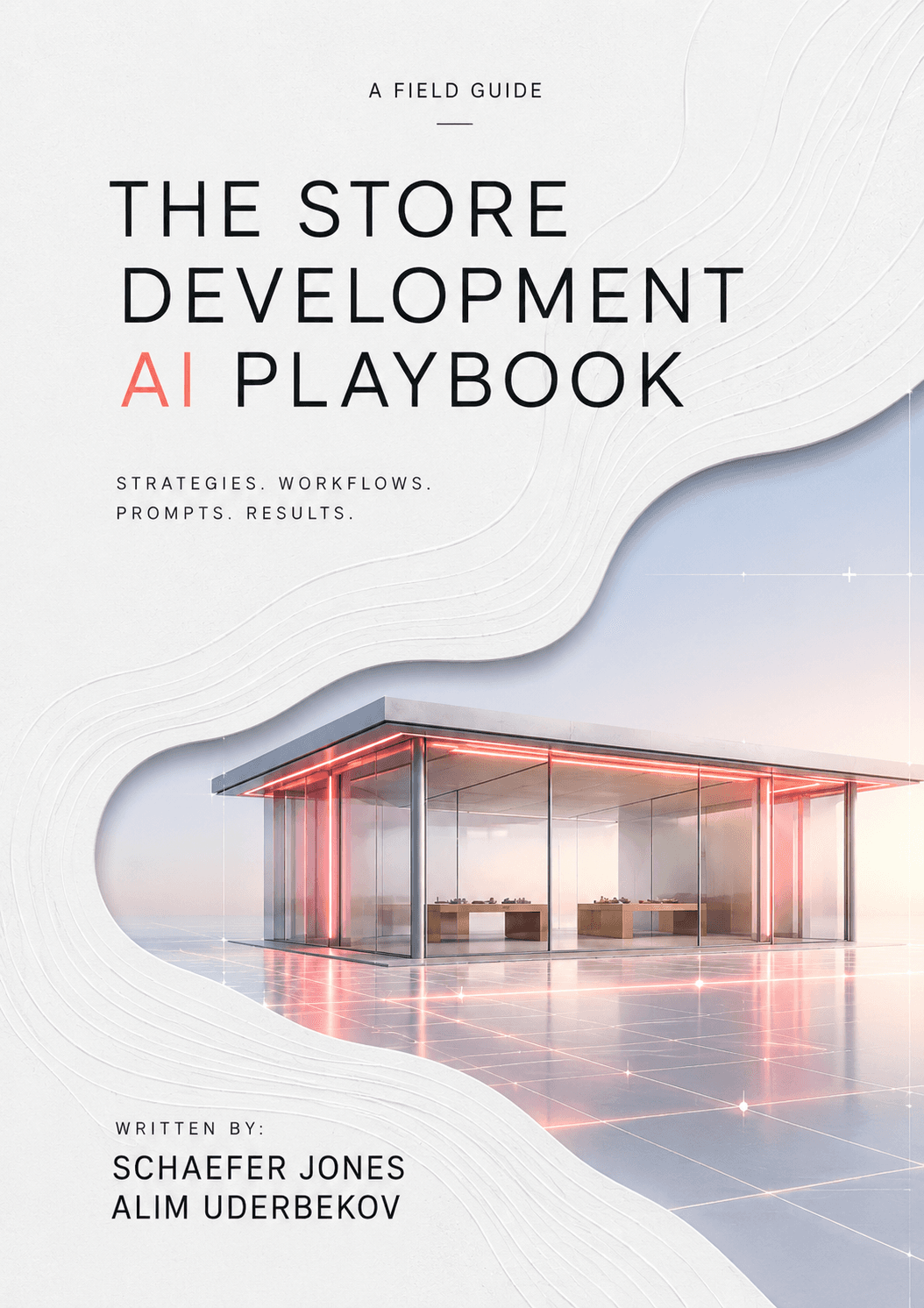
30 minutes to read what we learned
Written by a leading retail store program manager and a Silicon Valley AI founder — the field guide based on thousands of hours spent to make this happen.
Schaefer leads store development at one of the fastest-growing retail operations in North America — the operator who spent a year putting AI to work inside his own team and wrote down everything he learned along the way.
Alim leads Surfaice, the team building AI-native infrastructure for retail store development. He brought the technology; Schaefer brought the operation; this book is the record of what happened when those two seats sat at the same table for a year.

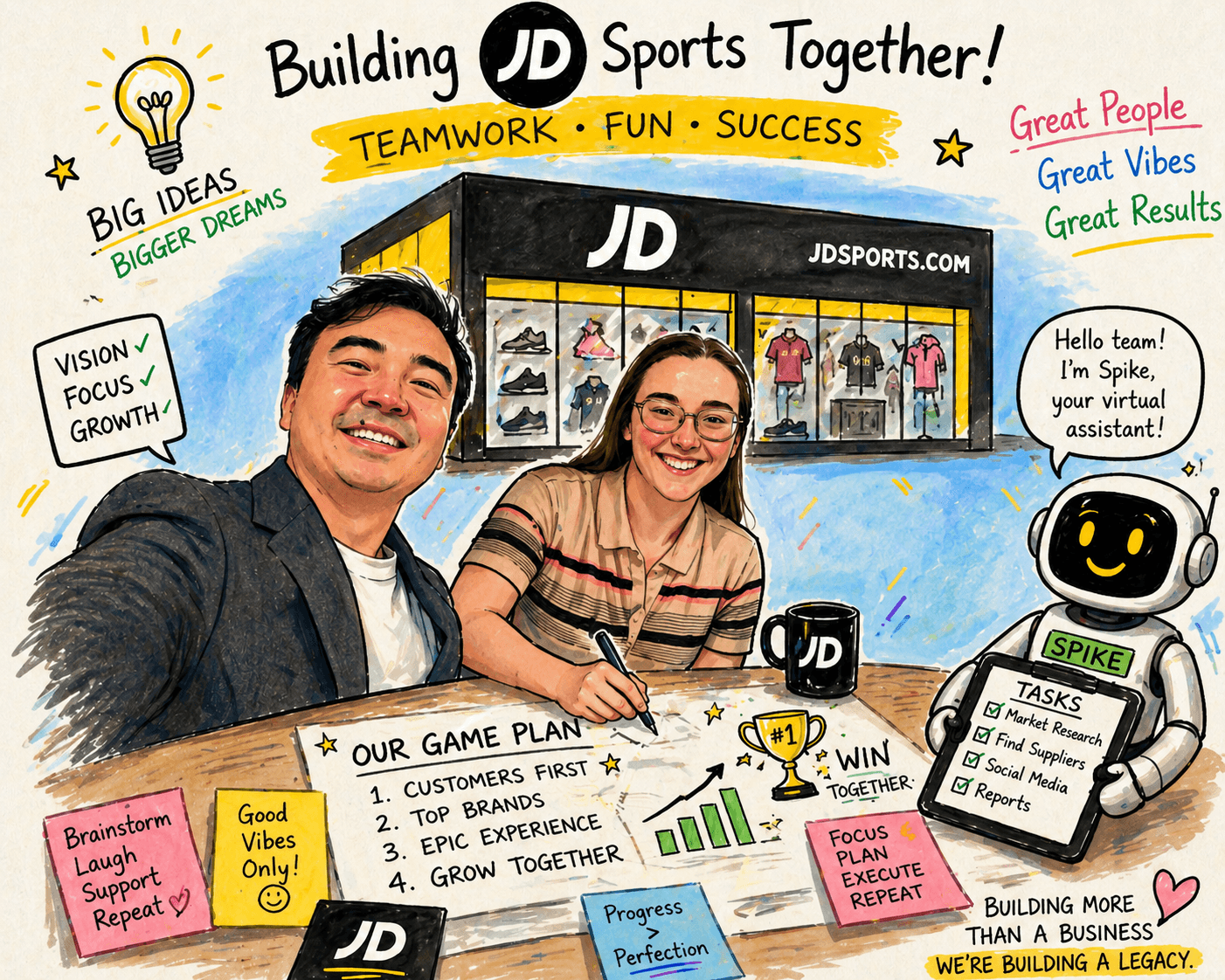
We believe in the power of community — where everyone cares about each other. Revolution and disruption aren’t the right way to change the real estate industry. Evolution is.
A year ago, we realized we were the first ones working on this. No one else, anywhere in the world, was doing it. What we’re doing is actually novel — and useful — so we decided to record everything and share it with the industry, so people can learn from our mistakes and our learnings.
This is not a consulting report about AI impact. These are our real actions — week-to-week calls, day-by-day usage, and hundreds of iterations. That’s the value, and we wanted to share it with a community of others who care.
JD North America is one of the fastest-growing retail chains in the country — part of a global company with 4,000+ stores worldwide. This book is the unfiltered record of what we learned putting AI to work inside that operation.
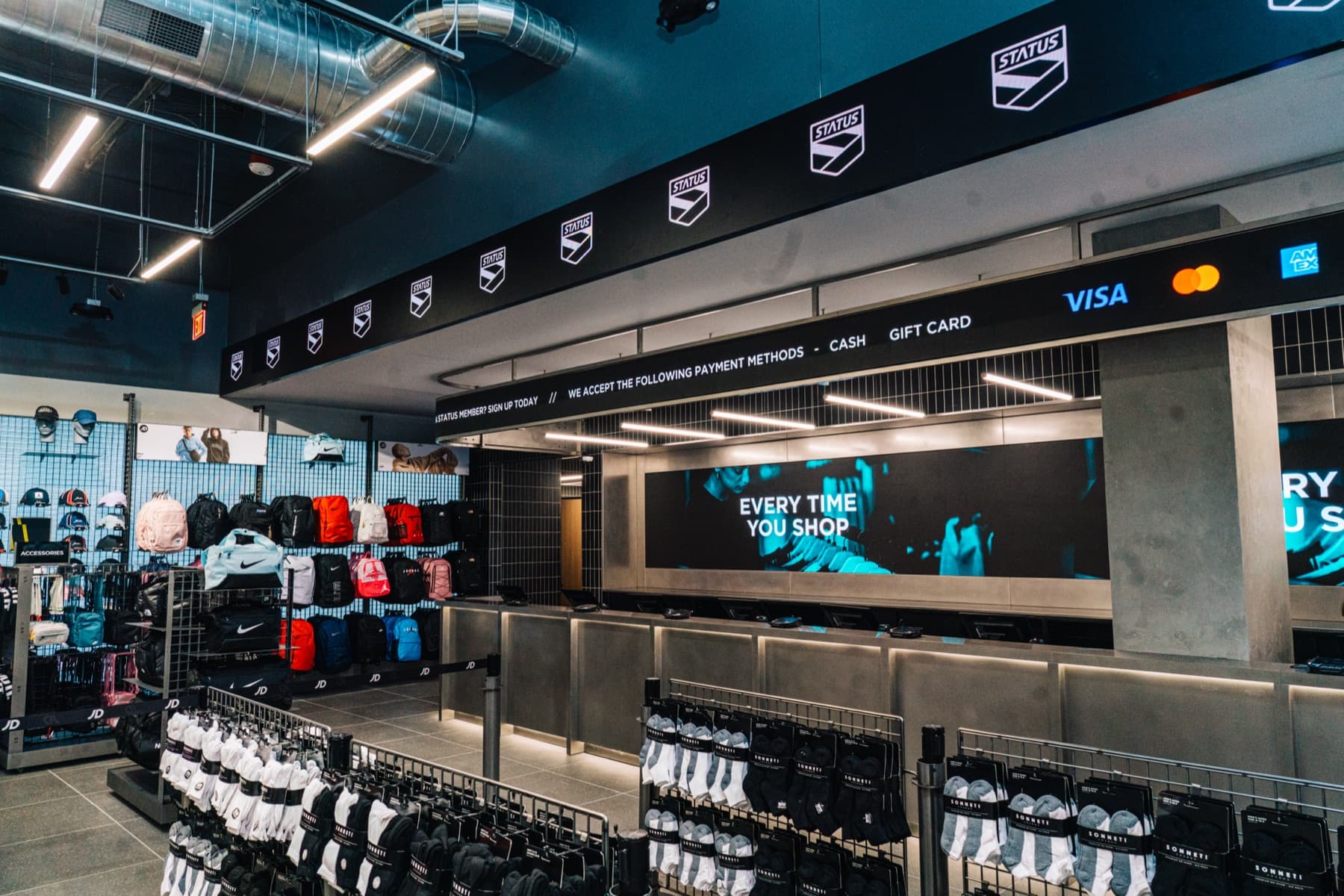
A 30-minute read. Four shifts. Hundreds of hours saved on the other side.
Part I
If you’re running store development today, you already know: the role is lonelier than it looks. You’re squeezed between a CFO who wants velocity, a CEO who wants stores opened, and a team buried under fragmented systems no one wants to own. The first part of this book names that reality out loud — the invisible work, the heroic Sundays in Excel, the lost trust that no one talks about in industry panels.
Why it matters: Before you fix anything, you need a vocabulary for what’s actually broken. Most teams don’t have one.
Part II
AI is not what the vendor decks say it is. It’s also not what the headlines say it is. In this part, Schaefer walks through the exact conversation that changed his thinking — why “teach before you automate” is the most important sentence in the book, and how a single 1 a.m. status email became a reusable prompt that now does an hour of work in 30 seconds.
Why it matters: Most retailers will spend the next 18 months chasing the wrong AI use cases. This is the section that helps you not be one of them.
Part III
Not as a chatbot. Not as a dashboard. As a teammate. This part covers the operating model that works — guardrails for the 2-year PM and the 16-year PM, the “start my day” workflow that quietly replaces the inbox, and the pattern recognition that only becomes possible when you stop firefighting. Every workflow includes the actual prompt.
Why it matters: This is the part you’ll re-read. It’s the difference between “we tried AI” and “we run on AI.”
Part IV
The final part is the most practical. Five specific moves you can make this week — not next quarter, not after the budget cycle. From gut feel to structured intel. From firefighting to orchestration. From fear to ownership. Plus the prompts, the workflows, and the operating principles you can put to work the same afternoon you finish the book.
Why it matters: Most books leave you inspired. This one leaves you with something to do on Monday.
Plus: an appendix of prompts and workflows to steal — the actual artifacts behind the work. Use them on day one.
We gave our AI agent a name: Spike — borrowed from JD’s internal mascot. That choice mattered more than we expected. Once the agent had a name, the team stopped treating it like software and started treating it like a teammate. Texting Spike became as natural as Slacking a colleague. Asking Spike to draft a status update felt less like “using AI” and more like “delegating.”
Here’s what Spike delivered in his first year on the team.
Time
up to 16 hrs/wk
Saved per PM.
Status updates, vendor follow-ups, lease abstraction, project recaps — manual coordination work that used to fill the day, now handled in minutes.
Timeline
40%
Of delays were internally manageable.
Four out of ten delay reasons were avoidable with better coordination, earlier signals, and faster decisions — exactly what Spike handles in the background.
Cost
74%
Cost reduction.
Augment your team with AI instead of outsourcing execution. Same throughput, smaller budget — no PMO build-out, no third-party hand-offs, no extra headcount.
“Most AI guidance in retail is either too abstract or too removed from operational reality. This is neither — it’s a ground-level playbook for the teams managing physical expansion, where the stakes are high and the margin for error is low.”

Top Retail Expert by Rethink Retail · NED & Strategic Advisor · Best-Selling Author
“I spent years building Lucernex. The pace at which Surfaice has moved — and what they capture in this book — would have taken our industry a decade not long ago. It’s the most exciting thing I’ve seen in retail real estate technology in years.”

Founder & former CEO, Lucernex (acquired by Accruent)
“I’ve spent 20 years in retail real estate, most of it watching innovation arrive late, miss the point, or skip our industry entirely. When I met Alim and read this book, I felt the opposite — that this is finally something about us, by people who actually understand the work. I’m excited to see what’s next.”

Managing Director, JLL · Surfaice Advisor
If you’re reading this page, you’re probably one of us — someone who builds, leads, or quietly carries a piece of how stores get opened. We didn’t write this book to sell you anything. We wrote it because no one had written it yet, and we needed it.
If you read it, we’d love to hear what you think — especially what we got wrong. The next version is better when more people contribute.
— Schaefer & Alim